

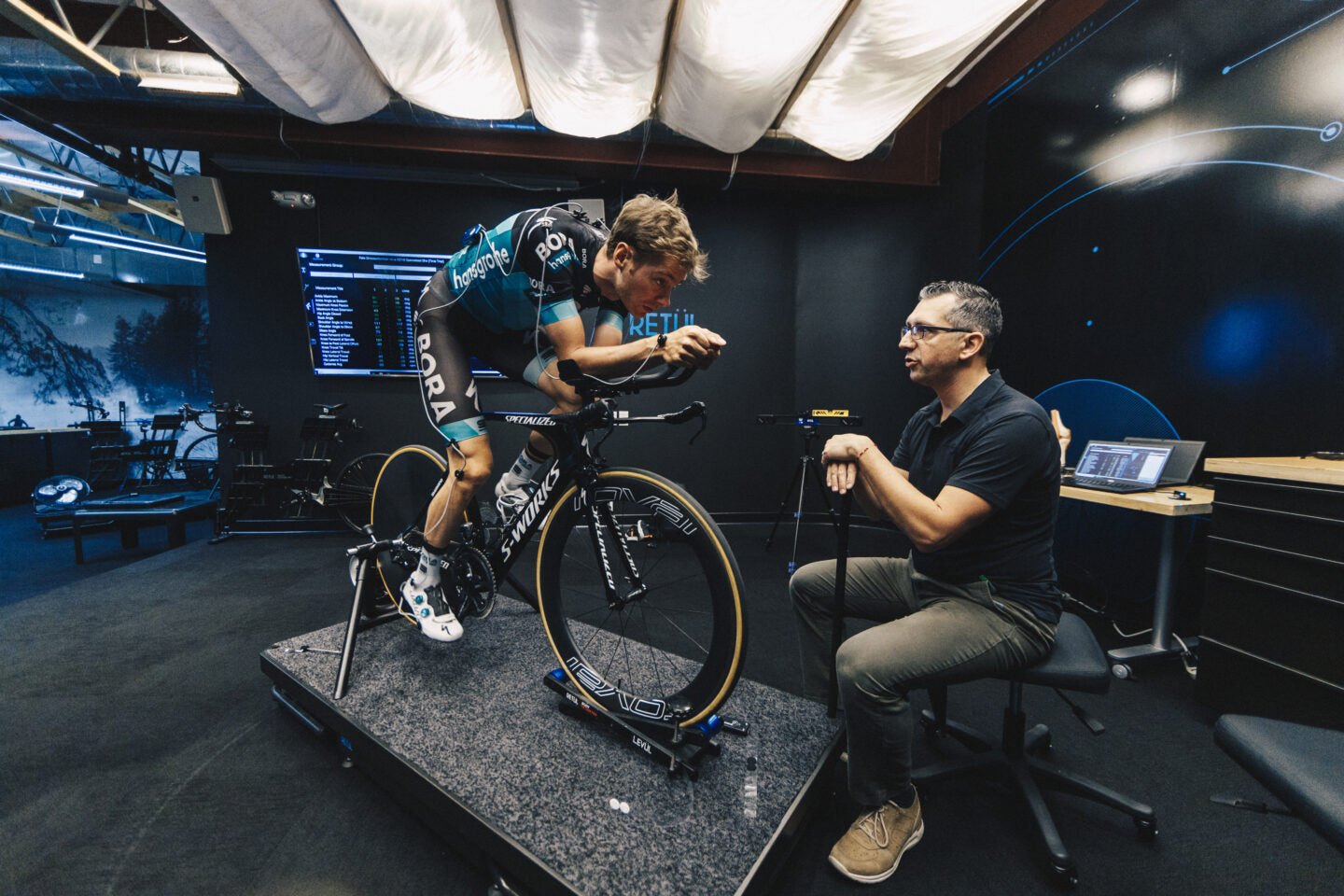
While cycling is a fun and healthy activity, incorrect bike fit can lead to chronic problems such as knee pain, back pain, or numbness. A bike's factory settings may not be suitable for you.
Bike Fit is the process of adjusting a bicycle's frame, saddle, handlebars, and pedals to perfectly match your body measurements and biomechanics. This process is critical not only for professional athletes but also for anyone who enjoys weekend rides or commuting.
Here are three key benefits of a proper Bike Fit and some basic adjustments you can make yourself:
1. Increased Performance and Productivity
When your body is in the most efficient position on the bicycle, you can transfer all of your pedaling power to the wheels.
-
Correct Saddle Height: This is the most overlooked but most important adjustment. If the saddle is too low, it puts excessive strain on your knees; if it's too high, it strains your hamstrings and causes your hips to swing from side to side while pedaling (leading to loss of power).
-
Practical Tip: When seated, your leg should be completely straight with your heel centered on the pedal. During a normal pedaling cycle, there should be a slight bend (approximately 25-35 degrees) in your knee when the heel of your foot is on the pedal.
-
-
Correct Saddle Position (Forward/Backward): This adjustment ensures your knee is correctly aligned with the pedal shaft. Correct alignment allows your quadriceps and hamstrings to work in a balanced way.
2. Preventing Pain and Injuries (The Key to Comfort)
Incorrect posture, due to repetitive movements on a bicycle, puts excessive strain on certain parts of the body and can lead to chronic problems.
3. Improvement of Control and Security
A properly tuned bicycle not only makes you faster; it also makes it easier to control.
-
Handlebar Position: The length and angle of the stem determine how far you can reach for the handlebars. A longer and lower stem is ideal for an aggressive (racing) position; a shorter and higher stem is ideal for a comfortable (city/touring) position.
-
Brake and Gear Levers: The brake levers should be positioned on the handlebars at a natural angle to allow your fingers to reach, enabling quick reactions in emergencies.
Basic Bike Fit Steps You Can Do On Your Own
Before visiting a Bike Fit specialist, you can check these basic settings yourself:
-
Saddle Height: When cycling, ensure your leg is fully straight when your heel is in the middle of the pedal. This will give you the ideal saddle height for normal riding.
-
Cleat Adjustment (For Clip-in Pedals): Ensure the cleat under your shoe is aligned with the pedal shaft at the widest point of your foot (metatarsal). Incorrect alignment can lead to severe knee pain.
-
Stem: If you have back or neck pain, try raising your handlebars by reversing the stem (turning the downward angle upwards) or by adding riser pieces.
Bike Fit is a personal process. To enjoy longer, more comfortable, and stronger rides on your bike, you can start perfecting your own fit by exploring the products in the Saddle , Stem , and Pedal categories at Uğur Bisiklet.
Perfect Your Ride: The Bike Fit Parts You Need
Bike Fit is a personal process. To enjoy longer, more comfortable, and more powerful rides on your bike, you might consider upgrading your essential gear. Start perfecting your own fit by exploring the products in the relevant categories at Uğur Bisiklet:
-
Saddle Category: Explore saddle models designed to enhance your comfort and suit various riding positions.
-
Stem Category: Browse through various stem models in different lengths and angles to adjust your handlebar position and prevent neck and back pain.
-
Pedal Category: Compare flat and clipless pedal options to improve your performance or enhance your comfort.
Would you like to improve your bike's performance by customizing it? Find the perfect fit for you by taking advantage of Uğur Bisiklet's wide range of products.


Share:
Flat Pedals or Cleats: Which One Is Best for Your Riding Style?
YT Industries Guide: German Engineering and the Best Models in Mountain Biking
1 comment
Verilen bilgiler çok kıymetli. Teşekkür ederiz.